
Running a Sex Offender Check in Borden County
The Texas Public Sex Offender Registry is the main public search channel for Borden County. Texas DPS receives registration data from local law-enforcement authorities and makes the public fields searchable across the state. For a Borden County resident outside an incorporated city, the Borden County Sheriff serves as the relevant local authority unless DPS has approved another arrangement. The sheriff can address local registration or verification questions, while DPS controls the statewide public database.
Searchers can also use the National Sex Offender Public Website when a person may have moved across state lines. NSOPW searches participating jurisdictions and works best as a second layer, not as a replacement for the Texas record. A local request to the Borden County Sheriff is another route, but protected registration fields remain closed. Before starting, gather a correct spelling, possible aliases, approximate age, and a known address or area. Those facts reduce the risk of confusing two people with similar names.
Searching the Texas Public Sex Offender Registry
The DPS interface can search by a person’s name or by place-based controls shown on the live form. The exact options can change, so read each label and search condition before submitting. A Borden County search should begin broad enough to find spelling variations, then narrow through location and physical identifiers. The registry is free to search, and public use does not require retrieving or republishing protected personal data.
- Open the Texas DPS registry and read its conditions of use.
- Choose a name, address or location, or map search mode and enter only known facts.
- Review the result list, then compare names, aliases, age, photograph, and place details.
- Open the profile and read the offense, status, authority, and verification information together.
| Field or Control | Type | Required | Notes |
|---|---|---|---|
| Last Name | Text | Mode-dependent | Initial or partial-name controls may appear. |
| First Name | Text | Optional or mode-dependent | Narrows a name result. |
| Address or Location | Text | Mode-dependent | Live options may accept city, county, ZIP, or an address. |
| Radius | Dropdown or map control | No | Available distances can vary. |
| Status | Filter | No | Confirm the current category wording on the live form. |
| Map or List | View control | No | Changes how geographic results appear. |
The official Texas registry interface shows the statewide search entry point pictured below.
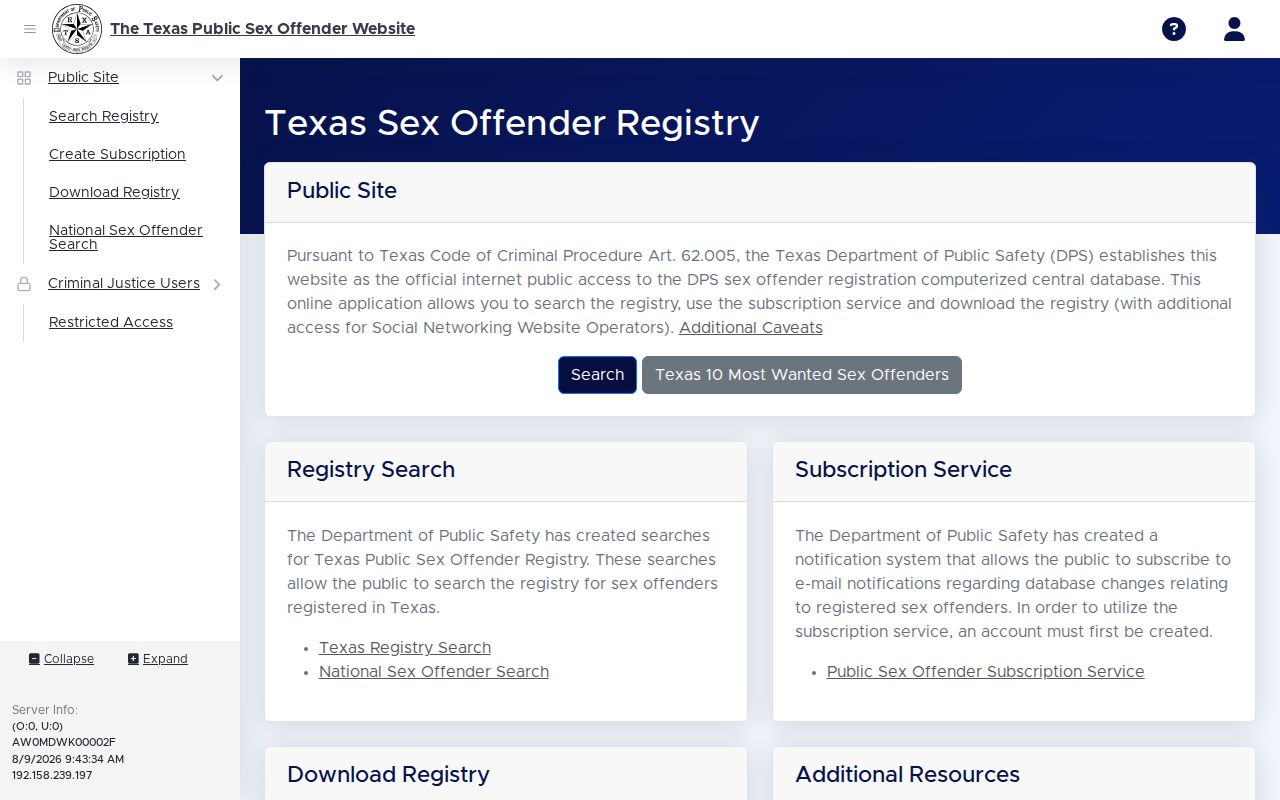
Its search modes help separate a Borden County location query from a broader name search.
Borden County Proximity Searches
The Texas DPS mobile app adds name, current location, route, and proximity searches. That can be useful in a large, sparsely settled county where a street label, rural route, or map point may not behave like a dense city address. A proximity result is a starting point. It does not prove that a map pin marks an exact building, a property boundary, or a person’s current position.
If a rural point looks wrong, compare the profile’s address wording and last verification information. Then contact DPS Sex Offender Registration at 512-424-2800 or the Borden County Sheriff. Do not visit the plotted place or confront anyone. The DPS registration program overview explains the state system and notification channels.
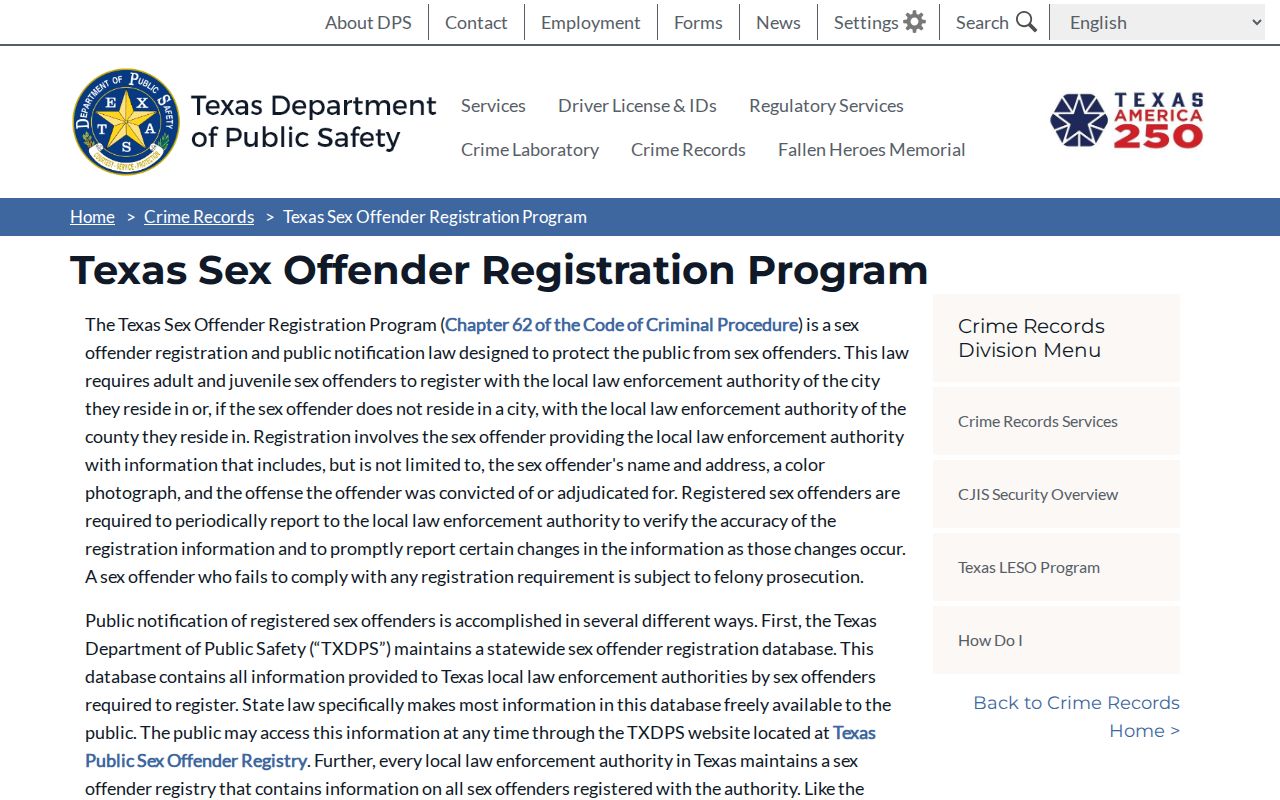
The program page connects Borden County’s local registration work with the statewide public record.
What a Borden County Registry Profile Shows
A public profile combines identity, registration, offense, and status fields. Use them as a set. Texas DPS and Chapter 62 establish the public field universe, though the exact display differs by record. The registry does not publish every item supplied to law enforcement. Social Security numbers, driver-license numbers, personal phone numbers, online identifiers, employer details, victim identity, and certain juvenile information are not ordinary public profile fields.
| Name & Aliases | Published names and aliases used to distinguish the record. |
|---|---|
| Photo & Description | A color photograph plus sex, race, age or birth date, and physical descriptors. |
| Registered Location | A residence address or geographic description allowed for public display. |
| Offense Information | Reportable offense, conviction or adjudication date, punishment, jurisdiction, and victim age category. |
| Risk & Authority | Risk information when shown and the registration authority or contact. |
| Registration Status | Compliance or absconded status and verification information when displayed. |
“Absconded” is a compliance or location status. It does not state that a new conviction occurred. Read the listed offense and its jurisdiction separately from the current registration status.
The DPS registry FAQ distinguishes public details from protected information.
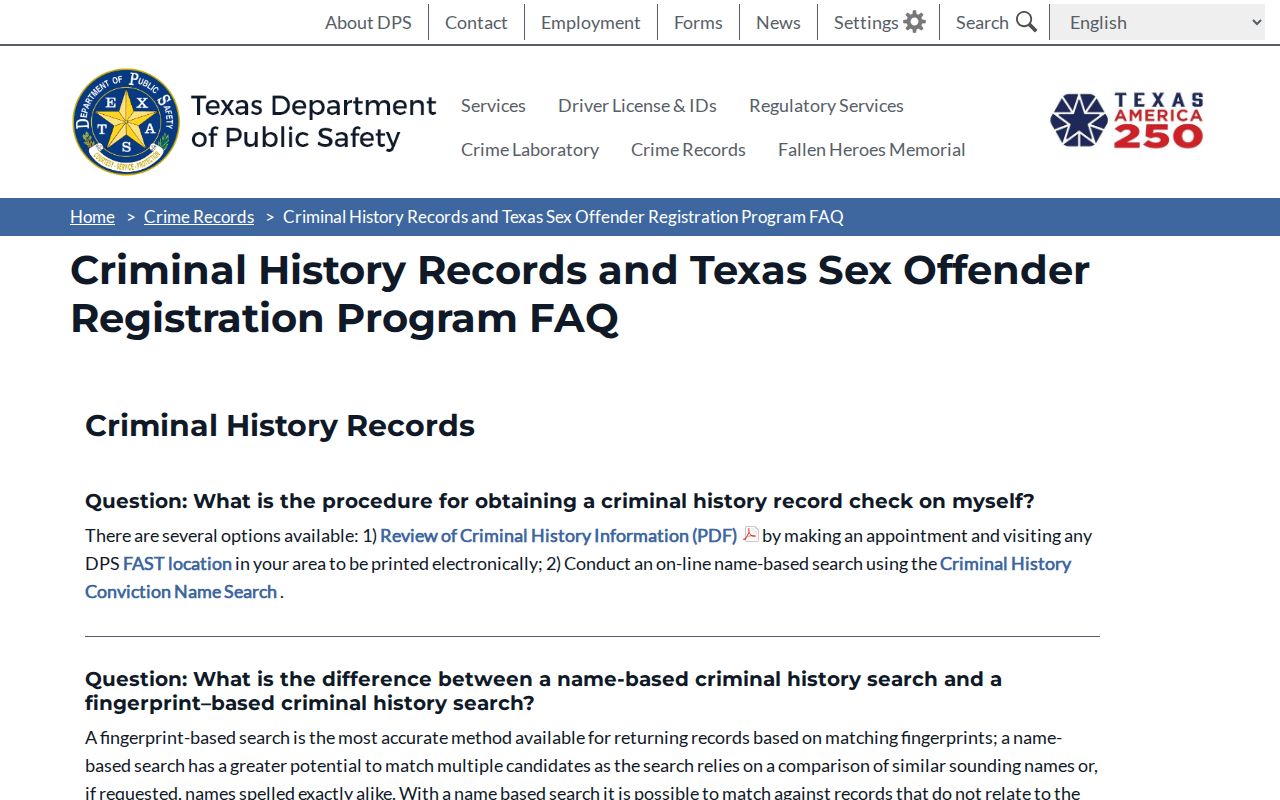
That distinction prevents a Borden County search from turning missing public fields into unsupported guesses.
Borden County Registry and NSOPW
DPS is the primary source for a Texas registration record. NSOPW is the cross-state layer. It can help when a move, an out-of-state offense, or an uncertain jurisdiction makes a Texas-only search too narrow. Results still come from participating public registries, and availability depends on each jurisdiction’s rules.
Run both searches with the same known facts, then return to the originating state or local authority for detail. A missing NSOPW result does not erase a Borden County DPS entry. A national match also does not prove that the person now lives in Borden County. The official NSOPW search is shown below without featuring an individual record.
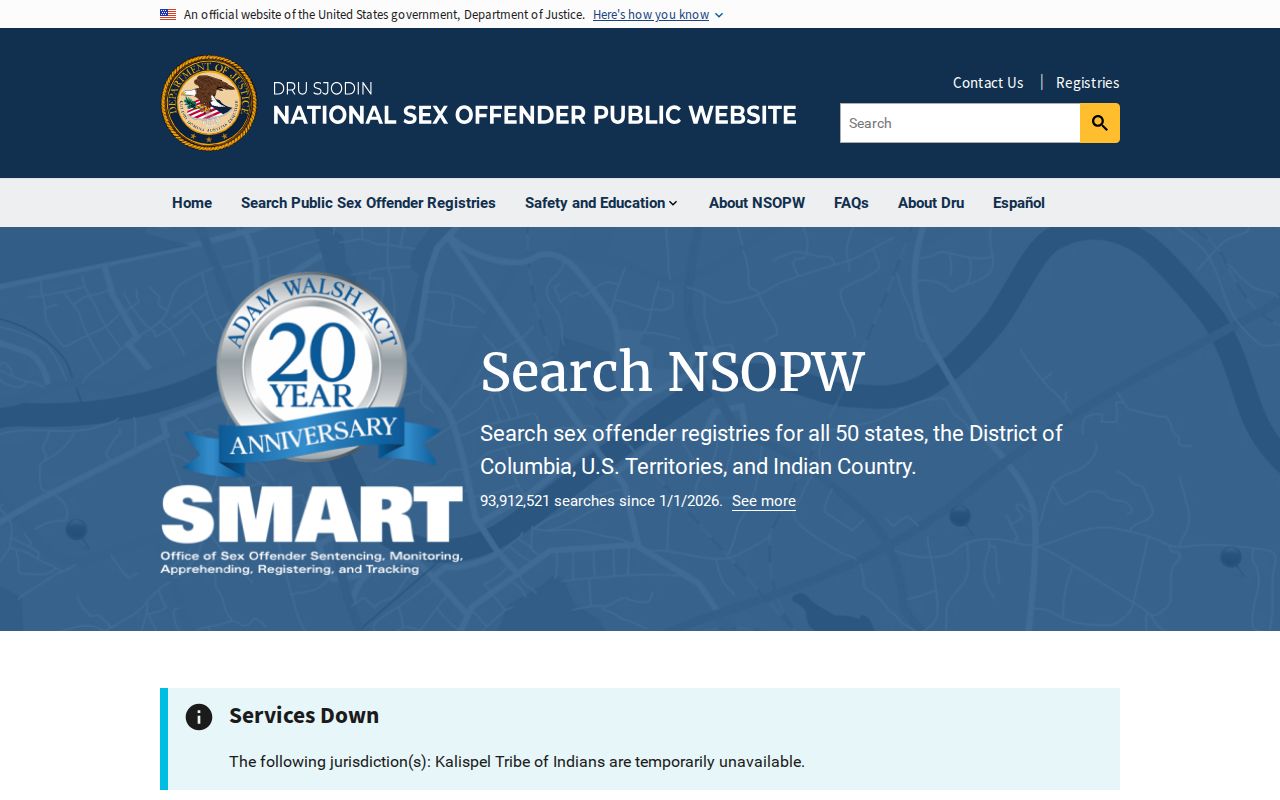
The national interface is most useful as a supplement when location history crosses Texas lines.
Registration Requirements and Levels in Texas
Texas does not use a simple public Tier I, Tier II, and Tier III chart that assigns every person a fixed result by offense name. Duration and verification depend on the reportable offense and other circumstances. Some registration duties last ten years after discharge from supervision. Other offenses require lifetime registration. Verification may be annual, every 90 days, or on another schedule set by Chapter 62.
| Texas Distinction | Possible Duration | Verification |
|---|---|---|
| Qualifying reportable offenses | Ten years after discharge in some cases | As Chapter 62 prescribes |
| Other reportable offenses | Lifetime in some cases | Annual, every 90 days, or another required schedule |
| Civil commitment or high-risk status | Controlled by the governing duty | May trigger added community notice |
Do not assign a Borden County resident a duration from an offense title alone. Dates of conviction, discharge, supervision, and the precise statutory category can matter. Registration began in Texas on September 1, 1991. DPS also describes retroactive reach for certain reportable convictions or adjudications from September 1, 1970 forward when the person remained in the justice system for that offense on or after September 1, 1997.
The official Texas Code of Criminal Procedure Chapter 62 is the controlling source.
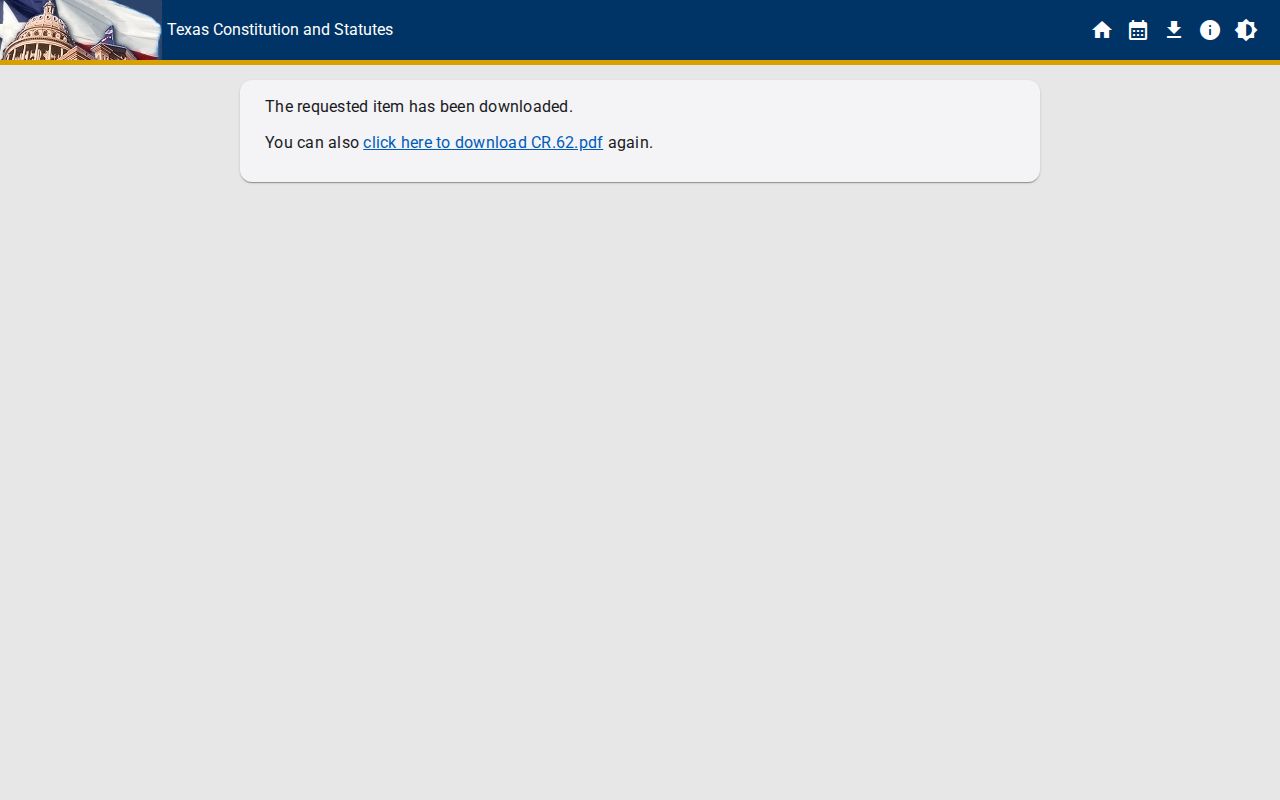
Chapter 62 ties duration and verification to the legal facts of the registration duty, not to a shorthand tier guess.
Borden County Community Notification
The searchable database and local notification duties overlap, but they are not identical. DPS keeps public data available online. Local authorities maintain registration and provide school notice when the law requires it. DPS may mail English and Spanish postcards near the intended residence of a civilly committed sexually violent predator or an assigned high-risk offender.
No postcard does not mean no registry entry exists. Search the database directly. In sparsely populated Borden County, a notice radius can cover a broad rural area while a map pin may still need context. The registration date, verification date, address description, and local authority are better checks than distance alone.
Correct a Borden County Registry Error
When a profile appears wrong, first save the public page address and note the field at issue. Compare the photograph, aliases, age, offense jurisdiction, registered location, and last verification date. A name-only mismatch may point to a different person. An old address may reflect reporting or publication timing rather than deliberate noncompliance.
Report the concern to DPS Sex Offender Registration at 512-424-2800 or to the Borden County Sheriff at 806-756-4311. DPS publishes additional bureau contacts through its Crime Records contact page.
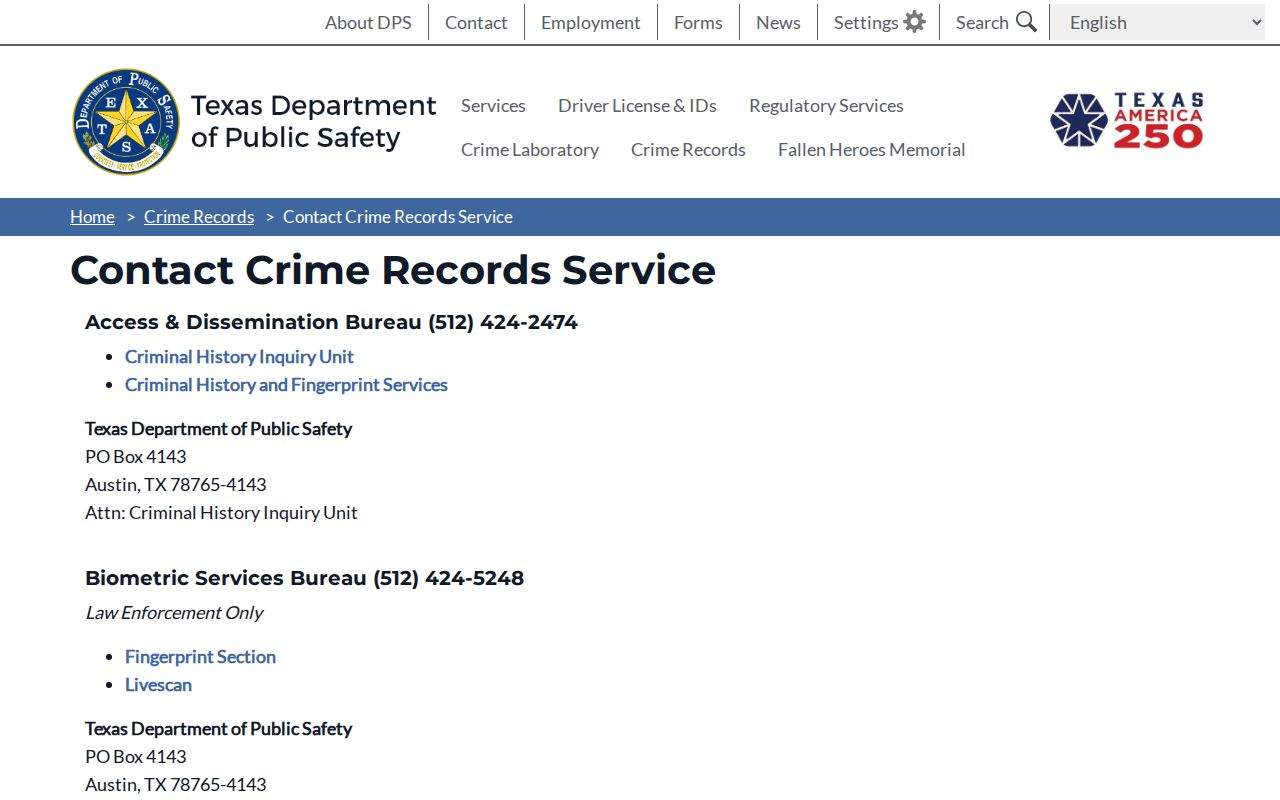
Official contacts provide a safe correction route without confronting a registrant or household.
Failure to comply with registration can be prosecuted under Article 62.102, but a member of the public should report facts, not decide guilt. Law enforcement can check records that are not public.
Lawful Use and Community Notification
Registry information supports personal safety, family planning, and community awareness. It should be matched carefully and confirmed through the agency that maintains it. Do not republish protected data, infer facts not shown, or treat a public profile as permission to contact the person. Texas law preserves specified information from public display for good reason.
Use registry records lawfully: Article 62.063 provides criminal consequences for misusing registry information to commit an offense. Do not threaten, harass, intimidate, or unlawfully discriminate against a registrant or household.
A Borden County sex offender check is one safety source, not a verdict about present conduct. Confirm a suspected error or compliance concern with the Borden County Sheriff or DPS. If there is an immediate threat, use the appropriate emergency channel.